
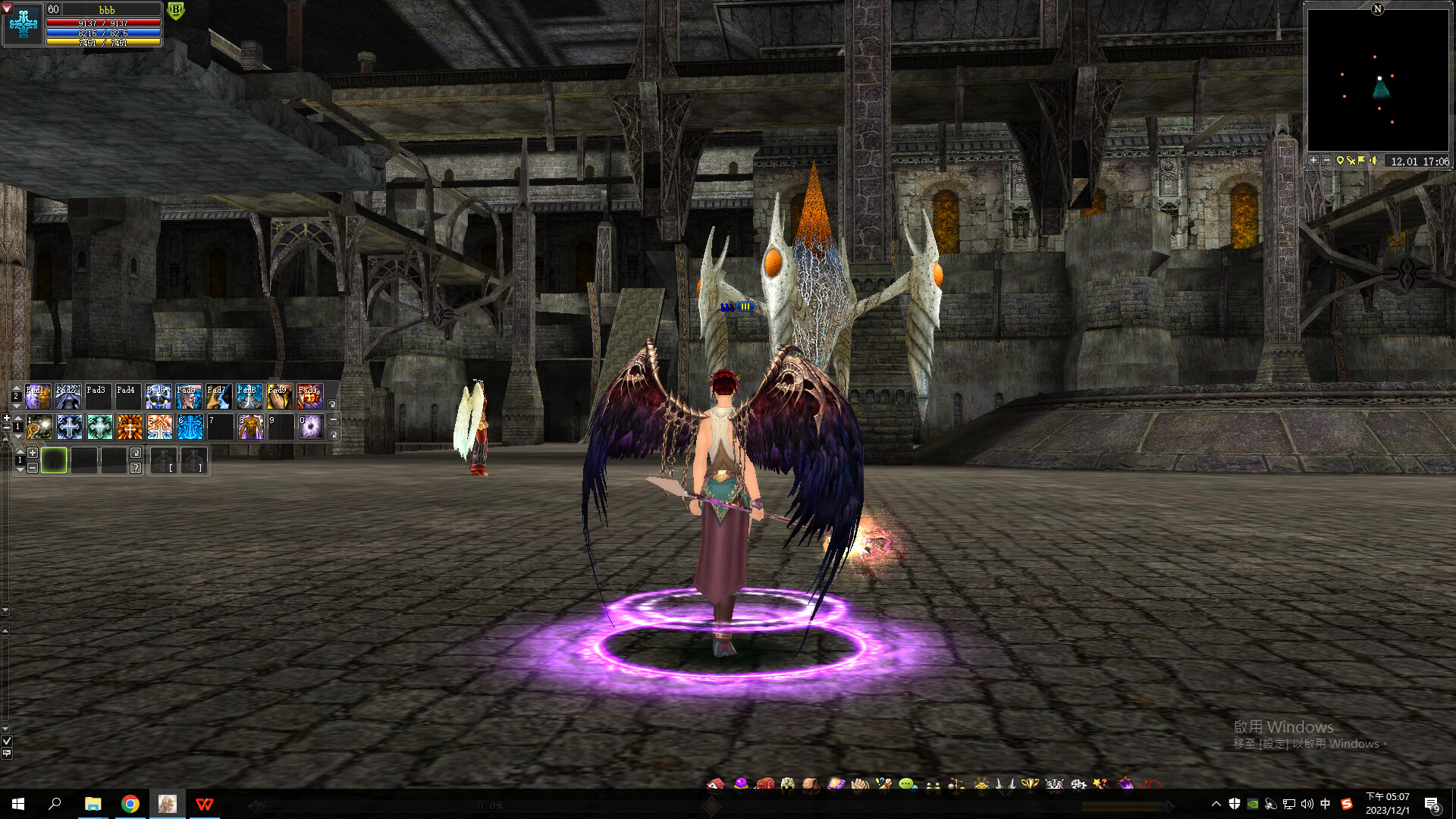
 Shaiya
Shaiya Turns Faction Loyalty Into the Center of the Game
Shaiya's mirrored factions, shared battlefields, server-wide objectives, and risk-heavy progression make allegiance feel like more than a character-creation choice.
The first meaningful choice is a side
Alliance of Light and Union of Fury are not merely two sets of costumes. Each presents its own races, class counterparts, visual language, and social home. The choice gives a new character allies and enemies immediately, establishing a collective identity before the player has earned individual status.
Mirrored roles keep the conflict understandable. Tanks, healers, ranged attackers, and melee pressure appear on both sides under different names and themes. This clarity helps a battlefield read as a contest between organized compositions rather than an unstructured crowd.
PvP changes the condition of the wider world
Shaiya's faction warfare is strongest when victory affects more than the score at the end of a match. Altars and Goddess Blessing connect battlefield control to benefits for the faction, allowing a coordinated push to influence players elsewhere. The war becomes part of the server's atmosphere.
That shared consequence creates stories of momentum, defense, and retaliation. It can also magnify population imbalance: when one side organizes more effectively, the other can feel the result repeatedly. Choosing an active community is therefore as important as choosing a class.
Difficulty modes make risk part of identity
Character modes attach different stakes to progression, with Ultimate Mode famous for placing permanent loss behind death. The appeal is psychological as much as mechanical. A high-risk character signals confidence and investment, and surviving dangerous content can carry a prestige ordinary leveling does not provide.
Permanent consequences are not inherently better design, and players should understand the rules before committing. The system is compelling for people who want danger to remain meaningful after they have learned the controls. Anyone who treats a character primarily as an irreplaceable personal archive should take the safer route.
Community is the real endgame infrastructure
Faction conflict needs leaders, healers, scouts, shot callers, and dependable attendance. A guild converts Shaiya's old-school systems into a social routine, helping with equipment, explaining battle etiquette, and assembling groups for dungeons or war. The surrounding relationships often become more durable than any one progression tier.
That dependence is why Shaiya can feel either alive or inaccessible. Joining alone and expecting seamless matchmaking misses what the game is built to do. Enter with a willingness to identify your faction's organizers, accept a clear role, and participate consistently, and its central promise becomes much easier to see.