
 World of Tanks Blitz
World of Tanks Blitz Compresses Armored Tactics Without Flattening Them
Seven-player teams, compact maps, spotting, armor angles, shell choice, tank roles, and branching tech trees turn short matches into concentrated positioning problems.
Seven players make every absence visible
Blitz uses smaller teams and maps than its PC relative, reducing the time between deployment and contact. Each tank represents a large share of the team’s firepower, vision, armor, and map coverage.
A careless early loss changes the match immediately. The compact format is convenient, but it is not disposable: individual positioning carries more responsibility precisely because fewer allies can cover a mistake.
Armor is geometry rather than extra health
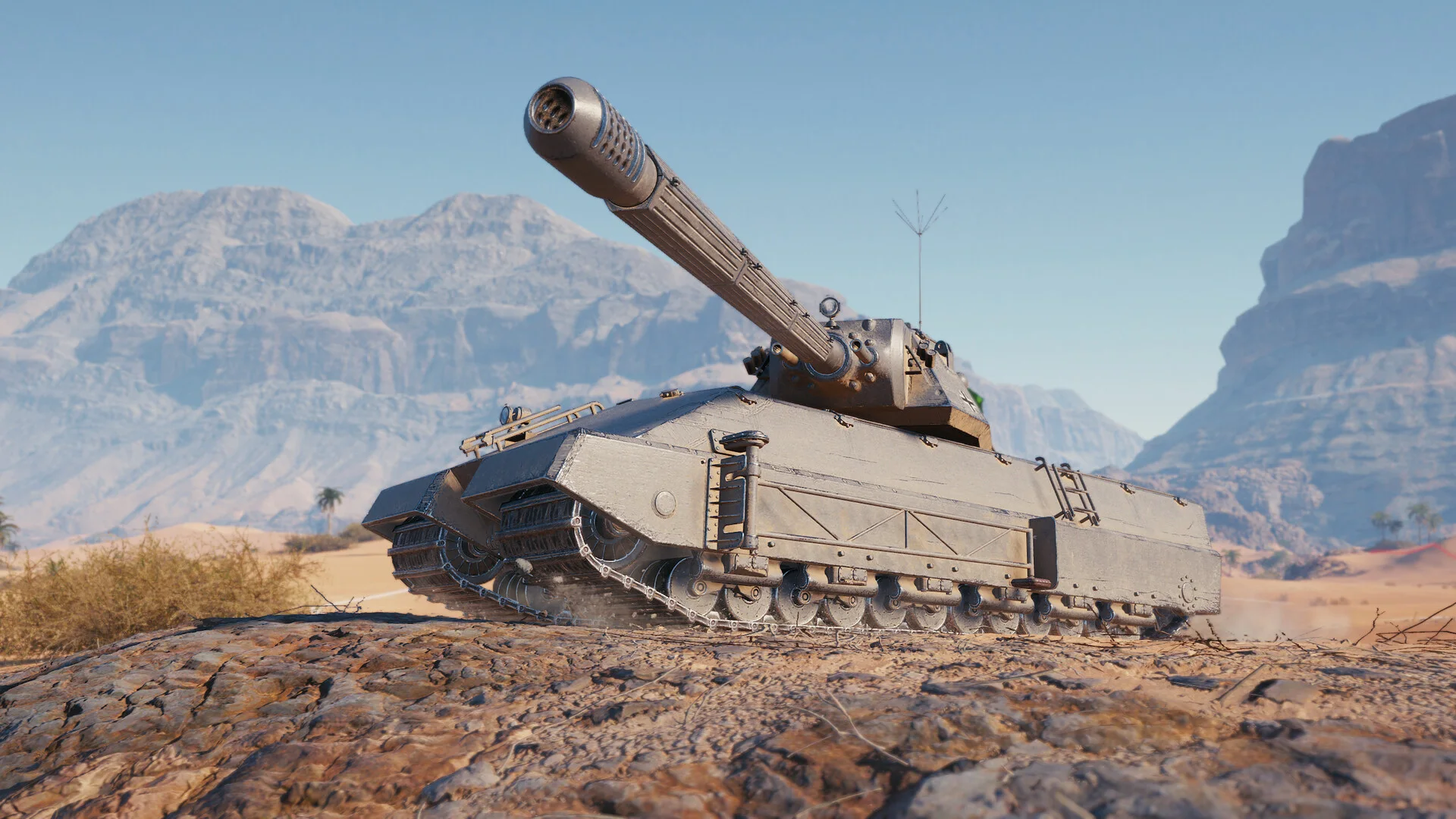
Hull and turret shape, angling, shell penetration, weak points, and terrain determine whether an exposed tank can survive. A heavy vehicle becomes powerful when it presents the right surfaces, not merely because its health number is large.
Learning this geometry turns frustration into intention. Shots that once seemed random become readable interactions between gun, shell, distance, angle, and armor layout.
Vehicle classes divide the battlefield
Light tanks scout and relocate, mediums create flexible pressure, heavies anchor fights, and tank destroyers punish exposure. Individual vehicles bend these expectations, but roles help a team understand what space each machine can influence.
Success requires reading the lineup and map rather than repeating one route. A fast tank that refuses to gather information may contribute less than a slower ally that protects a decisive lane.
The tech tree teaches through investment
Branching national lines introduce new guns, armor styles, mobility, and tactical identities over many battles. Staying with a vehicle long enough to learn it can be more valuable than rushing toward the next tier.
Progression provides direction but also grind. Stock configurations and credit costs can make a newly unlocked tank feel weaker than the machine left behind. Patience remains part of mastery even in a game built for quick matches.