
 Star Legends
Star Legends Keeps the Mobile MMO Party Small and Immediate
Three distinct classes, short cooperative missions, thousands of equipment items, guilds, real-time combat, and PvP preserve a direct science-fiction MMO loop.
Three classes make the party understandable
Commando, Operative, and Engineer divide durability, damage, control, and support into recognizable identities. A player can understand why a group needs them without first decoding a sprawling talent system.
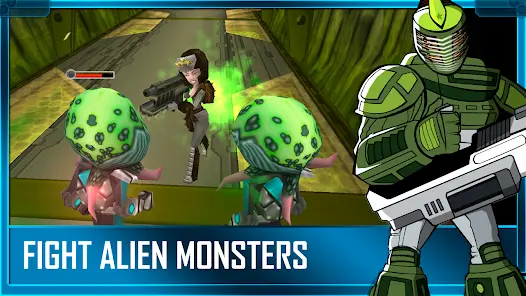
The limitation is also useful on a small screen. Abilities remain reachable and visual effects communicate role quickly, allowing cooperation to begin before every participant has mastered the game.
Missions respect portable sessions
Compact levels and direct quest objectives let players complete meaningful cooperative runs without crossing an enormous open world. Combat begins quickly, loot arrives often, and a party can continue through several missions in one sitting.
That rhythm made Star Legends a convincing mobile MMORPG rather than a novelty. It can feel repetitive beside newer worlds, but its lack of excess keeps the core loop readable.
Equipment supplies the long tail
Weapons, armor, implants, and cosmetic options create many small improvements beyond the campaign. Class requirements and item statistics turn drops into practical build choices as well as visual collection.
The economy and older free-to-play structure can complicate those choices. Players should expect a legacy progression model whose convenience purchases and rarity chase reflect an earlier mobile era.
Longevity changes the social promise
Guilds, friends, and public spaces remain central to the fantasy of exploring Blackstar with other people. The game’s age, however, means population and group availability matter more than its feature list suggests.
Star Legends is best enjoyed as a preserved, focused MMO with an existing community—not as a constantly expanding modern service. Its importance lies in how clearly it proved that real-time party play could travel.