
 SoulWorker
SoulWorker Lets Every Hero Fight Through a Different Emotion
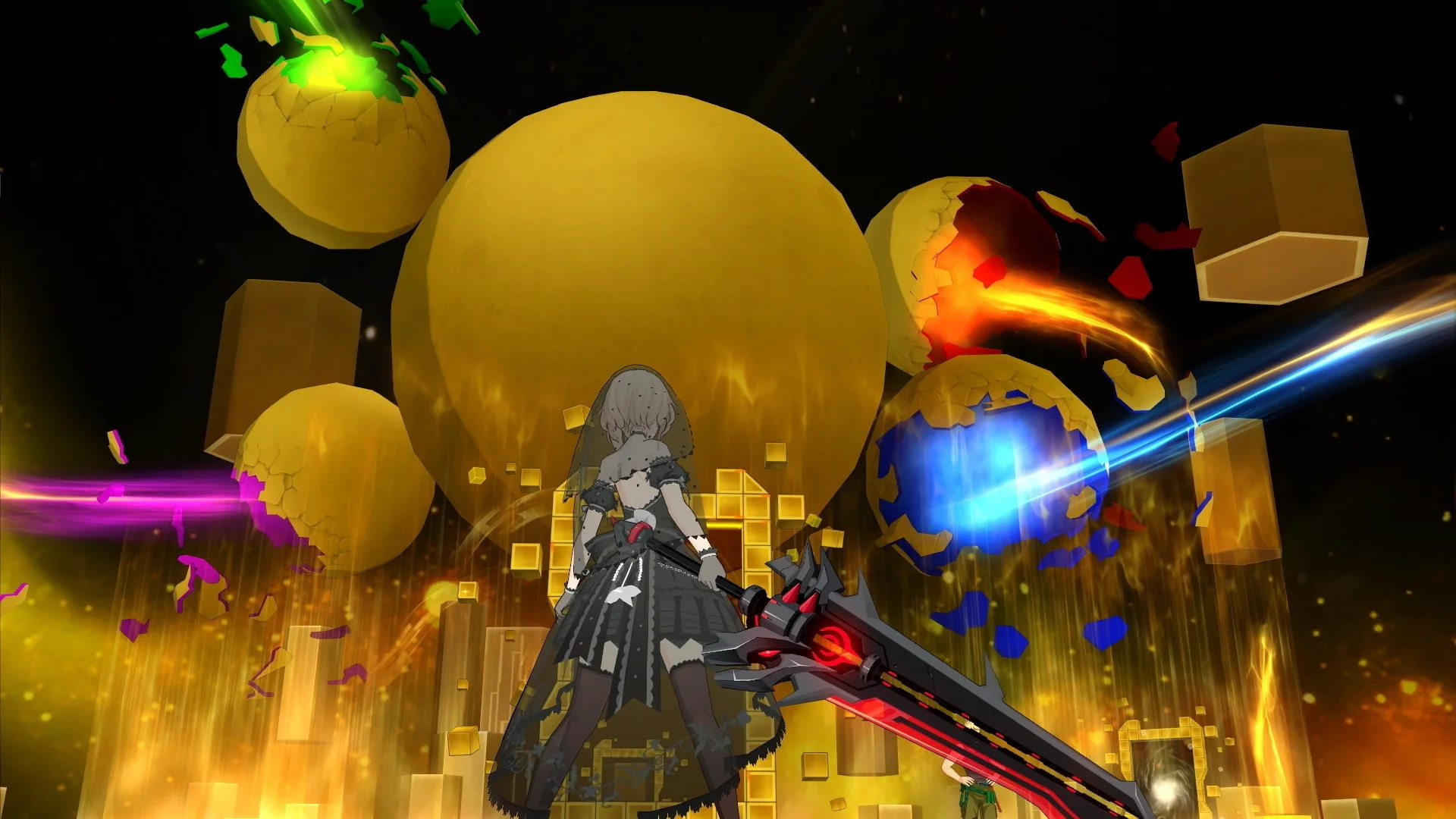
SoulWorker combines character-specific weapons, expressive action combat, instanced districts, anime storytelling, raids, and fashion in a world fueled by emotion.
Choosing a character means choosing a combat language
SoulWorker's heroes arrive with their own weapons, histories, personalities, and emotional sources of power. Selection is not merely a cosmetic shell over a universal class template. Each character frames the story differently and asks the player to learn a distinct rhythm.
That authorship gives combat identity immediately. A weapon's reach, mobility, area control, and combo flow shape how a player crosses a room. Attachment grows from inhabiting a particular hero rather than constructing an anonymous adventurer.
Districts keep action concentrated
Combat unfolds through instanced districts filled with groups of enemies and larger encounters. The structure minimizes wandering and keeps attention on movement, attacks, skill chains, and clear times. A session can be divided into compact pieces with visible goals.
The tradeoff is a weaker sense of seamless-world exploration. Social hubs connect the activities, but most of the important fighting happens away from the crowd. SoulWorker feels closer to a character-action game with persistent progression than a traditional open-world MMORPG.
Emotion supports the spectacle
The ruined setting and each hero's personal trauma give the bright anime presentation a darker foundation. Strong emotions are not only dramatic themes; they are the premise behind the SoulWorkers' ability to resist a devastated world.
Story delivery can be melodramatic, but the intensity suits the combat. Large effects and rapid combos feel like expressions of a character who is fighting through something personal. Players receptive to that tone gain more than mechanical efficiency from mastering a hero.
The endgame asks whether repetition still feels expressive
Raids, enhancement, equipment options, currencies, and repeated runs form the long progression loop. Once new districts stop arriving quickly, improvement depends on performing familiar combat with greater reliability and investing rewards carefully.
That loop works when the chosen character remains enjoyable in the hands. If combos and movement still feel satisfying, repetition becomes practice and refinement. If the player needs constant environmental novelty, the instanced structure can make the grind visible too soon.