
 Shakes & Fidget
Shakes & Fidget Turns Five Minutes of Adventure Into Years of Progress
Tavern quests, arena fights, dungeons, guilds, pets, a fortress, and accumulated upgrades compress a parody RPG into a durable daily ritual.
The tavern turns waiting into a routine
Quests ask players to choose among rewards, spend adventure resources, wait, and resolve a comic battle. The interaction is small, but choosing experience, gold, items, or event progress gives each visit a practical priority.
That structure respects short sessions while encouraging regular return. Shakes & Fidget rarely demands mechanical concentration; it asks for the quieter skill of directing limited activity toward the account’s next useful milestone.
A joke character becomes a serious project
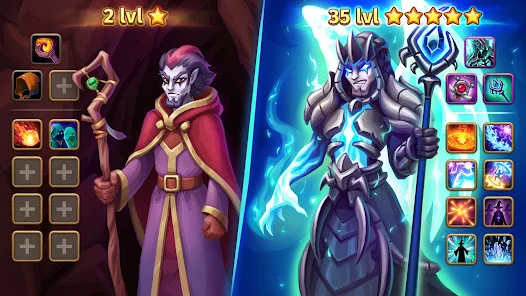
Exaggerated art and fantasy parody make early progression approachable, yet attributes, equipment, classes, gems, pets, and other systems accumulate into a substantial optimization problem. The punchline slowly acquires a spreadsheet.
This contrast is the game’s charm. Presentation keeps repetition light while long horizons ensure that a hero is never truly finished. Players can engage casually, though rankings reveal how much consistency and efficiency separate accounts over time.
Guilds give passive growth a shared scoreboard
Guild membership adds bonuses, communication, collective fights, and recurring goals. Even when combat resolves automatically, roster participation matters because a group’s strength is assembled from many individual routines.
The social layer is modest compared with an open-world MMORPG, but it supplies recognition and accountability. Logging in is no longer only about personal statistics when familiar names expect participation in the next shared event.
Convenience can become obligation
Idle design removes action complexity but concentrates attention on timers, resources, and optimal collection windows. A game intended for five-minute visits can occupy more mental space when missing an event or resource cycle feels inefficient.
The healthiest fit is a player comfortable setting their own ceiling. Enjoy the jokes, make a few informed choices, and let progress arrive. Chasing every advantage can turn a friendly ritual into administration.