
 Runes of Magic
Runes of Magic: familiar fantasy transformed by one wonderfully complicated second class
Taborea looks like a conventional questing MMO until dual-class combinations, elite skills, housing and guild systems turn character building into the real adventure.
The second class changes the first
Characters combine a primary and secondary class, gaining shared tools and combination-specific elite skills. A familiar warrior, priest, mage or rogue can therefore develop a different function depending on the partner class. The build is defined by the relationship rather than one label.
This flexibility creates planning risk. Not every combination performs equally in every role, and leveling both sides takes effort. Players should choose a fantasy and group purpose before selecting the secondary class, then confirm that the elite skills support that goal.
Classic questing provides a familiar foundation
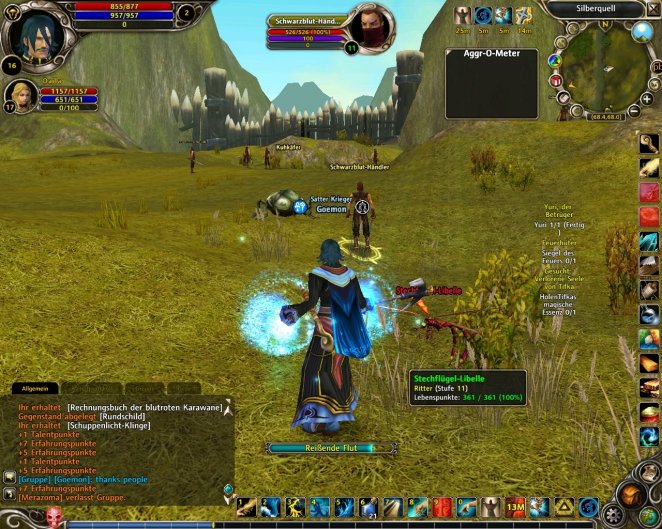
Taborea uses hubs, quest chains, open zones, dungeons and raids in a recognizable hotbar structure. The familiarity lowers the barrier to movement and basic combat, letting dual-class decisions carry most of the novelty.
Older quest design includes repetition, dense objective lists and uneven storytelling. Players who need cinematic momentum may lose interest. Those who enjoy clearing a region and steadily assembling a build can settle into a dependable rhythm.
Housing is practical as well as decorative
Personal houses support furniture and display, but they also connect to storage, bonuses and household helpers. Receiving a home early gives the character a persistent private space and introduces an identity beyond the quest route.
Functional benefits can pull housing into optimization. New players should decorate for pleasure before investing heavily in bonus systems they do not understand. A home is most valuable when it remains a refuge rather than another spreadsheet.
Guild castles make organization visible
Guilds can develop castles with shared facilities and goals, turning membership into a place rather than a chat list. Group dungeons, world activity and PvP systems give established communities reasons to coordinate.
The age of a server matters. Mature guilds may have resources and expectations that a beginner cannot match immediately. A welcoming guild is more important than a prestigious one if the goal is to learn the economy and class system.
Enhancement is the real caution sign
Equipment systems and item-shop conveniences can place significant pressure on players pursuing difficult content. The difference between enjoying the leveling world and competing at high power may involve far more time or spending than the free entry suggests.
Set a spending limit before enhancement becomes the objective. Ask what content the desired upgrade unlocks and whether the guild actually requires it. Dual-class experimentation is the game’s best feature; an endless upgrade chase should not be allowed to bury it.
MMOFinder verdict
Runes of Magic takes a familiar MMO frame and gives character planning one strong twist with lasting consequences. The right class pair can feel like a personal invention rather than a selected template.
Play it for that construction puzzle, housing and classic group progression. Research the economy, join a patient guild and refuse to let enhancement spending define whether the adventure counts as success.