
 Lineage 2M
Lineage 2M Builds Its World Around the Weight of Mass Participation
A seamless Aden, class cards, field bosses, clans, markets, and large open-world battles turn individual progression into preparation for crowded conflict.
The world is designed to hold a crowd
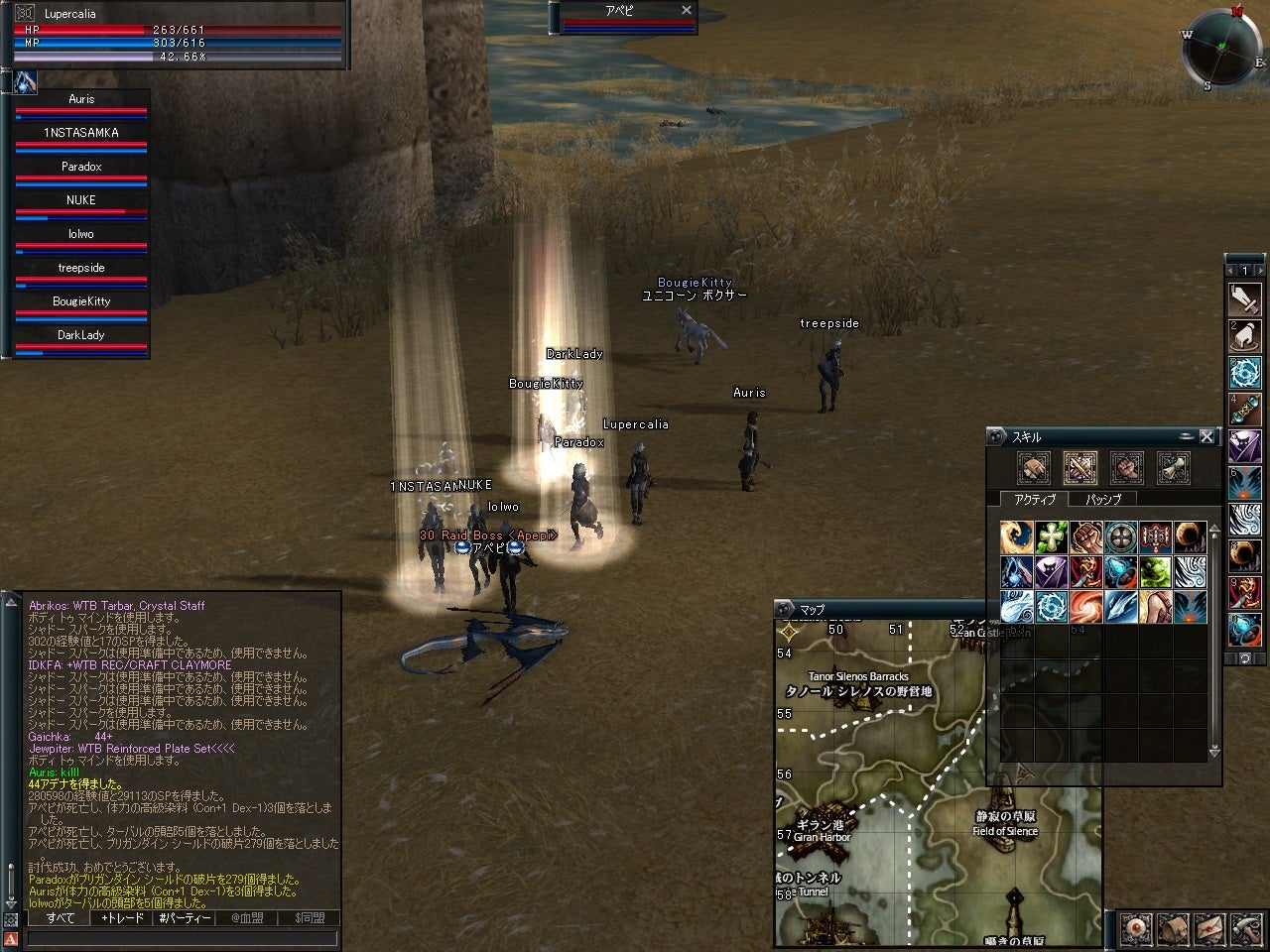
Lineage 2M emphasizes broad continuous spaces and the sight of many characters occupying the same battle. Field bosses and contested areas gain drama from density rather than carefully instanced party choreography.
Scale changes decision-making. Position, clan presence, and the likelihood of hostile interruption matter before a player reaches the target. The crowd is part of the encounter.
Class identity belongs to the account
Class cards and transformations let one account collect combat identities rather than permanently inhabit only one conventional character class. Rarity and acquisition make that flexibility a progression system of its own.
The breadth encourages collection but complicates self-expression. A desired role may depend on resources and luck as well as preference, and competitive players must evaluate class value across a large hierarchy.
Clans turn geography into leverage
Organized groups contest bosses, resources, and political influence. A clan can convert attendance and information into access, while alliances make the social map as important as the physical one.
This is where the world earns its persistence. A location matters because another group may claim it, defend it, or negotiate around it. Without those relationships, the same space becomes an automated farming route.
Cross-platform access supports an always-on war
Mobile play and the PURPLE PC environment let the same account participate from different hardware. Routine management can fit smaller sessions while serious encounters benefit from a larger screen and deliberate control.
Convenience reinforces a demanding ecosystem. When the world is always reachable, expectations can grow around constant readiness. The healthiest fit values clan participation without allowing persistent conflict to dictate every free moment.