
 Legend of YMIR
Legend of YMIR Builds Its War Around Recurring Seasons
Norse mythology, action combat, raids, clans, server conflict, cross-platform play, and a seasonal structure frame progression as a repeating public contest.
Myth provides the scale of conflict
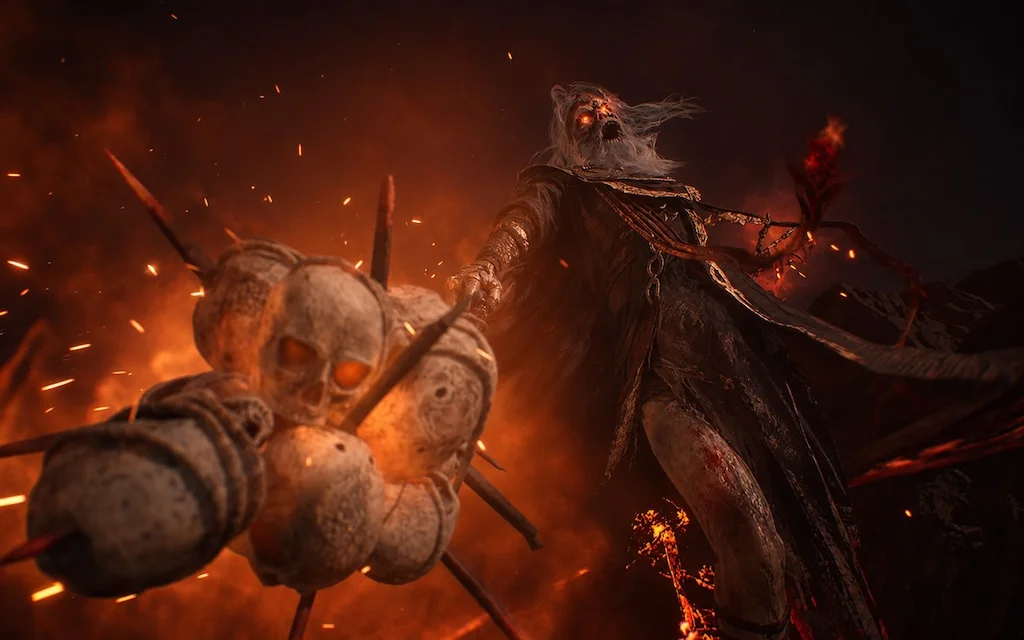
Legend of YMIR uses Norse creation, rebirth, giants, and divine war as the foundation for an expansive fantasy world. Unreal Engine presentation gives armor, creatures, and environments the weight expected from a modern cross-platform release.
The mythology is most effective when it clarifies why factions and servers are fighting, rather than serving only as expensive scenery. A shared war needs stakes players can recognize after the opening spectacle fades.
Combat favors commitment and confirmation
Third-person abilities emphasize visible impacts and deliberate engagement. Classes support different battlefield responsibilities, creating a readable starting identity before equipment and long-term systems begin to differentiate characters.
Large effects can make group combat exciting and difficult to parse at the same time. Players interested in competitive modes must learn not only a class, but how that class remains legible when raids and wars fill the screen.
Seasons give the server a common clock
The YMIR season system introduces changing battlefields, stories, enemies, and events. That structure can refresh objectives and give communities a reason to reorganize instead of allowing one solved routine to define the entire service.
Seasonal momentum also creates pressure. Missing a cycle can make progression feel less personal, and a recurring reset of priorities favors players who enjoy scheduled competition more than those seeking an entirely self-directed sandbox.
The economy needs an informed player
Legend of YMIR connects conventional free-to-play MMORPG progression with WEMIX and blockchain-linked systems. That layer is not required to be every player’s motivation, but it is part of understanding how items, value, and monetization are presented.
Players should separate the quality of combat and community from claims about digital ownership or earnings. The strongest reason to stay is a satisfying shared world; any economy should be evaluated as a system with costs and risks, not a guaranteed reward.