
 Granado Espada
Granado Espada Makes a Family the Real Player Character
A barracks of recruitable characters and simultaneous three-person control turns party composition into the defining act of progression.
The family replaces the lone chosen hero
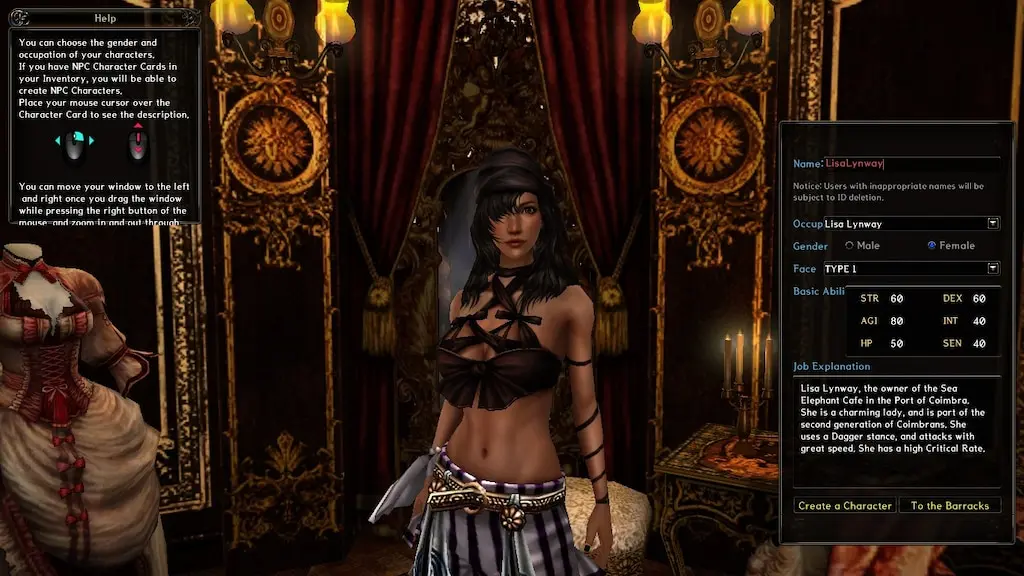
Players establish a family name and gradually fill a barracks with stock classes and named characters met through the world. Progress belongs to this expanding household as much as to any individual member.
That framing changes attachment. A new recruit is not merely cosmetic; it can unlock another tactical role, voice, stance, and combination. The account develops horizontally as the family gains options.
Three bodies make composition visible
The Multi-Character Control system places a squad of three characters in the field at once. Damage, defense, healing, control, range, and mobility must be balanced within a small formation rather than distributed across a conventional party of separate players.
Switching attention among several characters makes positioning and preparation important, while automated behaviors can handle routine pressure. The system feels less like inhabiting one avatar and more like directing a compact RPG party inside an MMO space.
Recruitment turns story into collection
Many named characters join through quests or other requirements, connecting narrative progress with roster growth. A region can matter because it introduces a personality and combat kit that changes future team building.
Collection brings variety but also expense. Equipment, levels, stances, and promotion across many characters create a broad maintenance burden. Players who need every recruit equally optimized will find an almost endless project.
Style carries an aging structure
Granado Espada’s music, architecture, costumes, firearms, and European-inspired baroque imagery remain immediately recognizable. The setting gives elegance to systems whose interfaces and progression layers reveal their age.
Its lasting value rests on singularity rather than modern polish. Few MMORPGs let one player field a personalized family of three at once. Accept the inherited friction and the result still feels unlike the genre template around it.