
 Embers Adrift
Embers Adrift Makes Cooperation Feel Earned
Slow travel, dangerous darkness, and limited guidance give other players room to become useful instead of merely sharing an objective.
The world refuses to become a checklist
Embers Adrift avoids quest-hub rails and constant map instruction. Players navigate through landmarks, roads, memory, and conversation, which makes distance feel like part of the world rather than empty space between icons.
The approach creates moments of uncertainty that modern convenience usually removes. Getting lost can be frustrating, but finding a route—or meeting someone who knows it—produces knowledge worth sharing. Exploration becomes a skill instead of an automatic reveal.
Group roles solve visible problems
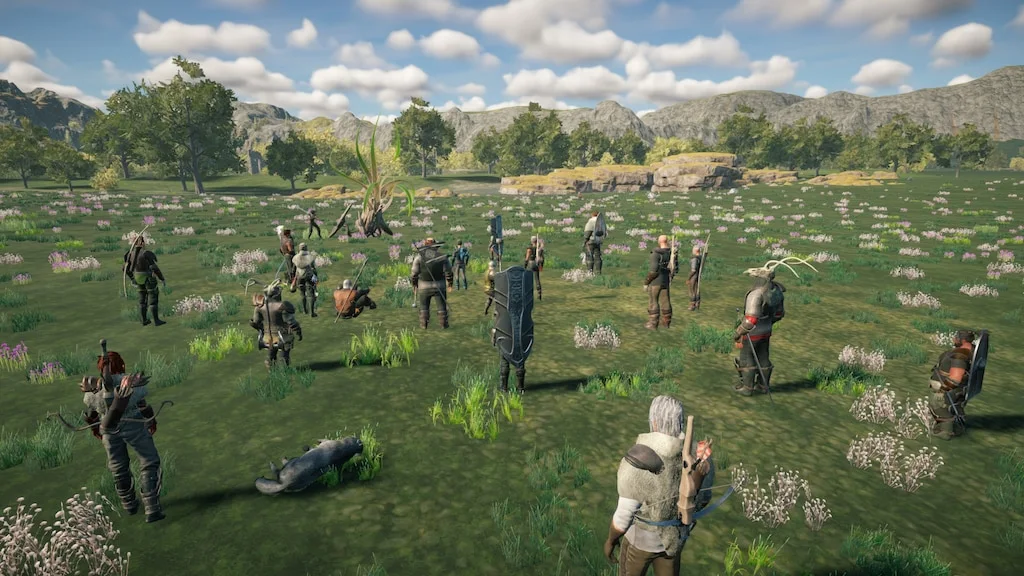
Strategic tab-target combat is organized around pressure, control, positioning, and survival rather than rapid solo spectacle. The base roles and their specializations become more interesting when a dangerous pull forces players to coordinate instead of allowing everyone to perform as a self-contained hero.
Groups reach the deepest dungeons and strongest rewards, but solo routes remain available. The distinction matters: cooperation is attractive because it expands possibility, not because every minute outside a party is forbidden.
Light and danger create atmosphere together
Dark spaces are mechanically dark, and player-deployed light can help mark a path. That simple need changes the emotional texture of travel and gives a party something practical to manage beyond enemy health bars.
The low-fantasy presentation supports the same restraint. Alchemy and Ember gradually introduce the supernatural without turning every roadside task into a fireworks display. The world feels mysterious because unusual power has not become visual wallpaper.
Deliberate design also means deliberate pacing
Embers Adrift asks for time. Combat, travel, recovery, and finding a group move more slowly than in queue-driven MMOs. A smaller community can make relationships noticeable, but it also means players should use social channels and plan around population patterns.
For someone chasing constant rewards, the pace may feel empty. For someone who misses the way older MMORPGs made danger and dependence create friendships, the quiet is functional. It leaves enough space for another person to matter.