
 Dead Frontier 2
Dead Frontier 2 Makes Every Scavenging Run a Quiet Argument With Risk
Dead Frontier 2 uses scarce ammunition, dark interiors, specialized builds, infected threats, and player trade to make survival depend on what you choose not to spend.
A doorway is a resource decision
Entering a ruined building means accepting uncertainty. Ammunition, healing, inventory space, and durability are limited, while the useful contents remain unknown. The player must decide whether another room is worth the resources it may consume.
That calculation gives ordinary exploration tension. The objective is not always to clear everything. Survival can mean leaving with a modest haul before greed turns a successful run into a loss.
Combat is frightening because it has an economic cost
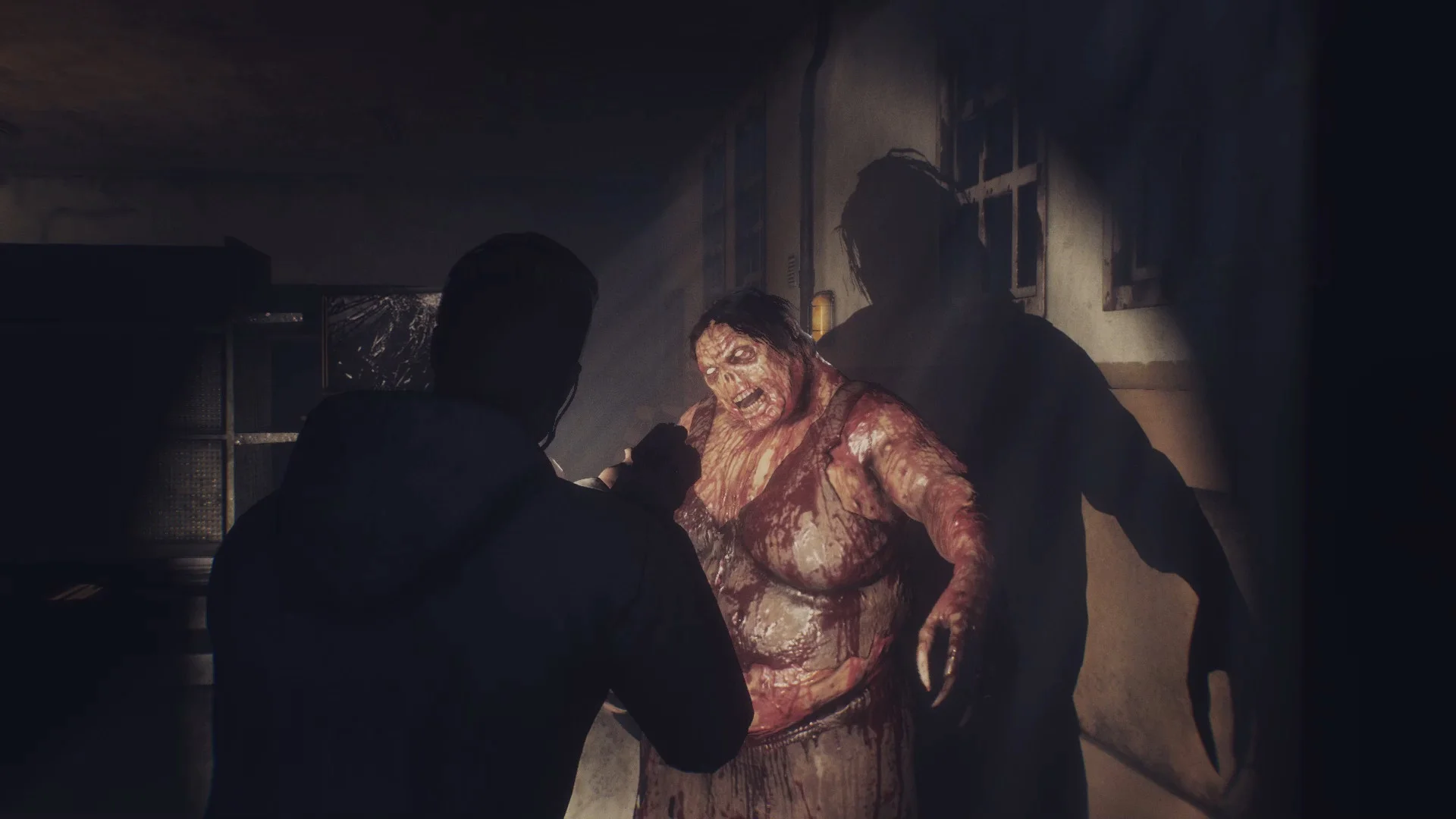
Shooting an infected enemy solves an immediate problem but spends ammunition that could matter later. Avoidance, positioning, melee options, and careful aim therefore have practical value. Violence is not free background activity.
This economy makes powerful encounters memorable without requiring enormous spectacle. A narrow corridor and a few dangerous enemies can create more pressure than a battlefield full of disposable targets because every mistake reduces the run's margin.
Builds decide what kind of survivor emerges
Skills and equipment allow characters to specialize in combat, looting, mobility, trading, or other advantages. A build represents priorities under scarcity: what the player wants to do efficiently and which weaknesses they are willing to carry.
Specialization encourages cooperation and trade because no one character needs to excel at everything. It also makes uninformed choices expensive. Planning a role before spreading points helps the character develop a clear survival identity.
The market turns private fear into a public economy
Items recovered from dangerous spaces can be sold or exchanged with other players. The market translates risk into value: ammunition, equipment, and rare finds matter partly because someone had to enter the ruins to retrieve them.
This social layer is quieter than a traditional raid guild, but it still connects survivors. The person buying supplies depends on another player's successful run. Dead Frontier 2 creates an MMO not by crowding every room, but by letting many private decisions feed one shared economy.