
 Blue Protocol: Star Resonance
Blue Protocol: Star Resonance Finds Its Strength in Shared Routine
Class roles, gathering, social activities, and a bright anime world give everyday cooperation as much importance as the next dramatic boss fight.
Asterleeds works because it feels inviting
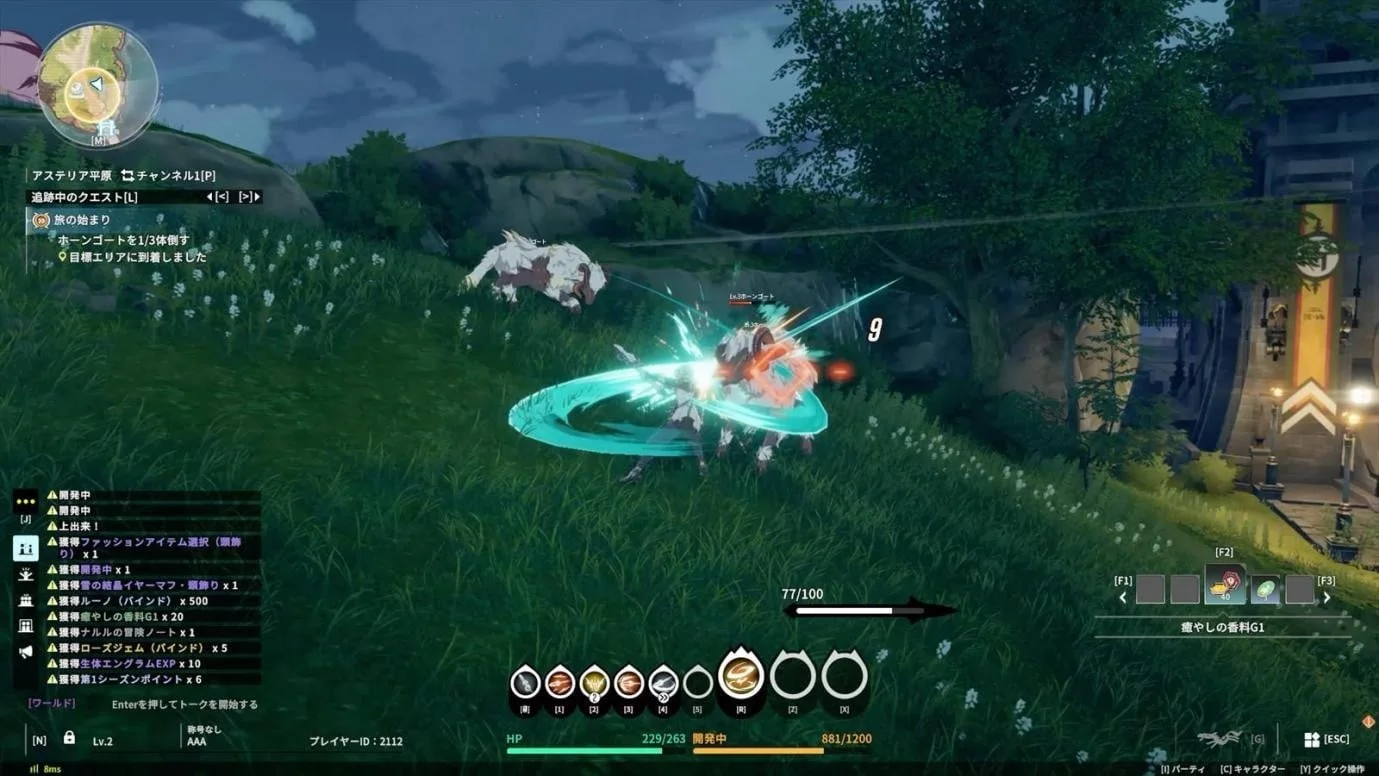
Star Resonance presents its world with the color and optimism of a playable anime. Open fields, city plazas, mounts, outfits, and expressive character creation make arrival feel less like reporting for duty and more like joining an ongoing adventure. That warmth matters in an MMO built to be visited repeatedly.
The visual friendliness does not make the world shallow. Public events and bosses turn scenic travel into a reason to notice other players, while collectible and exploration goals give quieter sessions a purpose. Its strongest spaces support both spectacle and ordinary wandering.
Traditional party roles create useful dependence
Classes are organized around recognizable tank, damage, healing, and support responsibilities. Action movement and dodging keep those roles physical, but the underlying structure still asks players to read encounters and protect one another. A good party succeeds through coordination rather than ten people independently chasing damage.
That clarity helps new groups form, though it also means class choice carries expectations. Players who dislike responsibility may find tanking or healing stressful, and optimization can narrow the freedom promised by flashy action combat. The best fit is someone who enjoys being visibly useful to a team.
Life skills give downtime a social rhythm
Gathering, crafting, fishing, and other life activities let progression continue without another dungeon queue. These systems create natural pauses between combat goals and encourage players to share space without always competing. Homestead and social features strengthen the sense that a character has a life beyond equipment score.
The activities are deliberately approachable, which can feel soothing or lightweight depending on the player. They work best as connective tissue: a reason to stay in the world, talk with friends, and prepare for the next outing rather than as a completely separate economic simulation.
The long game depends on variety, not just volume
Cross-platform access and a broad activity list make Star Resonance easy to fold into a routine. The danger is repetition. Daily structures, upgrade materials, and recurring instances can turn that routine into obligation if new encounters and meaningful choices do not keep pace.
Players should enter for the mixture rather than a single revolutionary system. Its identity comes from moving smoothly between cooperative battles, personal collecting, crafting, and relaxed social play. When those parts reinforce each other, the game becomes more welcoming than any one feature suggests.